
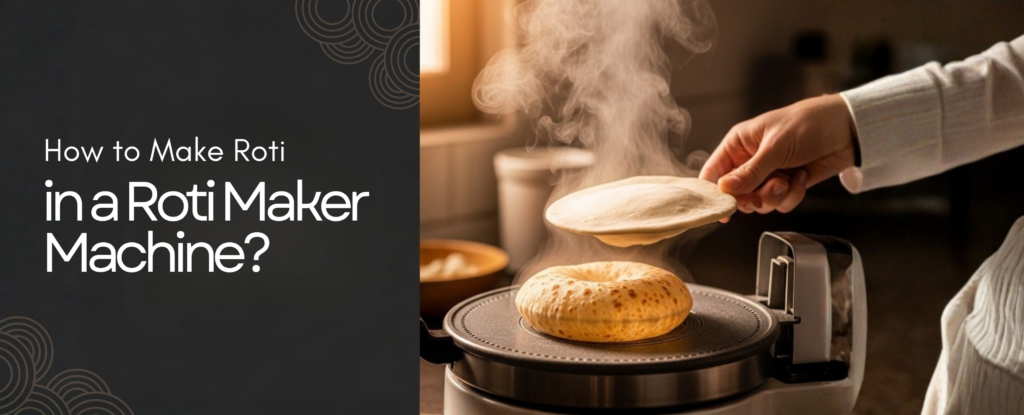
How to Make Roti in a Roti Maker Machine
Introduction: Why Automation for Roti? And Why Sunshine Industries?
Who doesn’t love eating hot, soft rotis as part of their meal? Fresh, fluffy chapatis can completely change the taste of a meal. However, making perfectly soft rotis can be challenging even for experienced cooks. This becomes even more difficult in commercial kitchens such as hotels, canteens, and catering businesses where large quantities are required.
This is where automation in roti-making becomes useful.
Sunshine Industries provides advanced equipment for efficiently making rotis and chapatis. Their solutions include:
- Dough kneaders
- Dough ball cutting machines
- Pressing and baking roti machines
Sunshine’s machines range from semi-automatic systems to fully automatic roti production lines capable of producing 300 to 2,000 rotis per hour. These machines ensure consistency, hygiene, and high-speed production.
In this blog, we explain how to make soft, fluffy rotis with a roti maker and how Sunshine’s equipment helps businesses scale production easily.
How to Make Roti in a Roti Maker Machine
Making chapati in a roti maker machine is not difficult, but many people still find it confusing. Below is a step-by-step method suitable for semi-automatic or automatic pressing and baking systems.
Step-by-Step Process
Here is the step-by-step process of how to prepare the dough, so that you will get a perfect roti/ chapati:
1. Prepare the Dough
- Use good-quality whole wheat flour (atta).
- Mix water (optionally salt and oil/ghee) and knead into a smooth, pliable dough.
- Cover and let the dough rest for 15–20 minutes for better hydration.
2. Divide and Roll Dough Balls
- Divide the dough into uniform balls (called pedas).
- Some machines or attachments automatically cut dough balls.
- Lightly flatten or dust with flour.
3. Place in the Roti Maker
- Place the dough ball between the pressing plates of the machine.
- The machine presses it to a uniform thickness.
4. Bake and Puff the Roti
- The pressed roti moves to a hot baking zone.
- Heat cooks the roti and creates puffing.
Sunshine machines typically use:
- Gas burners for baking
- Electric motors for pressing
5. Collect and Serve
- The baked roti is ejected or moves on a conveyor belt.
- It can be stored in insulated boxes or steamers to maintain softness.
This process allows businesses to produce large quantities of uniform rotis efficiently.
Making Fluffy Roti with a Roti Machine
A common question is: “How to make roti fluffy in a roti machine?”
Fluffy rotis puff with steam inside and have a soft, homemade texture.
Tips for Fluffy Rotis
- Rest the dough
Let the dough rest for 15–30 minutes after kneading. - Proper hydration
Use slightly more water to help create steam inside the roti. - Add a little fat
Use about 1 teaspoon of oil or ghee per 100 g of flour. - Uniform thickness
Sunshine machines ensure even thickness with precise pressing systems. - Optimal baking heat
High temperature helps generate steam quickly. - Quick transfer to the baking zone
Efficient gas burners ensure proper puffing.
How to Make Roti Easily with an Automatic Machine
Using an automatic roti maker simplifies the process significantly. Here we have a 4-step method of how to get perfect roti from an automatic roti-making machine.
The Simple 4-Step Method
1. Prepare the Dough
Knead the dough, allow it to rest, divide into pedas, and preheat the machine.
2. Place and Cook
Place the dough ball into the machine, where it will be pressed and baked automatically.
3. Check the Settings
Confirm the thickness, baking temperature, and timing.
4. Final Result
You get uniform, soft, puffed rotis ready to serve.
This 4-3-2-1 workflow helps train staff quickly in commercial kitchens and reduces human error.
How to Make Soft Chapati in an Automatic Roti Maker
Follow these tips to make soft chapatis.
Best Practices
- Use warm water (30–35°C) for kneading.
- Maintain slightly hydrated dough.
- Add 1–2% oil or ghee.
- Knead until smooth and elastic.
- Allow the dough to rest for 20–30 minutes.
- Use minimal dry flour while dusting.
- Bake quickly at the correct temperature.
- Store rotis in steamers or insulated containers.
Ideal Atta and Water Ratio for Perfect Chapati Dough
The ideal dough hydration depends on flour quality, humidity, and environment.
Recommended Ratios
- 50% hydration:
200 g flour + 100 ml water - 55% hydration (softer dough):
200 g flour + 110 ml water - 60% hydration:
200 g flour + 120 ml water
Typical ratio: 1 part flour: 0.50–0.60 parts water
Optional additions:
- 1–2% oil or ghee
- 0.5–1% salt
Tips for Large Production
- Use a kitchen scale for consistency
- Adjust water based on humidity
- Test small batches before scaling up
Why Rotis Become Hard and How to Keep Them Soft
Reasons Rotis Become Hard
- Low dough hydration: If the dough does not contain enough water, it becomes dry and stiff. This prevents the roti from puffing properly and results in hard, dense chapatis.
- Excessive kneading: Over-kneading develops too much gluten in the dough, making it tight and elastic. This can cause the rotis to become chewy instead of soft.
- No resting time: When the dough is not allowed to rest, the flour does not absorb water properly. Resting helps relax the gluten, making the rotis softer and easier to press.
- Too much dry flour while dusting: Using excess dry flour while shaping rotis can dry out the surface of the dough. This extra flour can also burn during baking and affect the texture of the roti.
- Overcooking: Cooking rotis for too long removes moisture and makes them dry and hard. The roti should cook quickly at the right temperature to stay soft.
- Improper storage: If rotis are left uncovered or exposed to air after cooking, they lose moisture quickly. Storing them in a cloth-lined box or insulated container helps keep them soft.
How to Keep Rotis Soft
- Maintain proper hydration: Ensure the dough has the right amount of water so it stays soft and pliable. Proper hydration helps the roti puff well and prevents it from becoming dry.
- Rest the dough for 20–30 minutes: Allowing the dough to rest helps the flour absorb moisture completely and relaxes the gluten. This makes the dough easier to press and results in softer rotis.
- Use minimal dusting flour: Use only a small amount of dry flour while shaping the dough to prevent sticking. Excess flour can dry the roti’s surface and affect its softness.
- Avoid overbaking: Cook the roti only until it is properly puffed and lightly browned. Overbaking removes moisture and makes the chapati hard and dry.
- Store rotis in cloth-lined containers: After cooking, place the rotis in a container lined with a clean cotton cloth. This helps retain heat and moisture, keeping the rotis soft for a longer time.
- Use steam or insulated boxes: Storing rotis in a steamer or insulated box traps warmth and moisture. This prevents them from drying out and keeps them soft until serving.
In automated systems, temperature and conveyor speed must be calibrated correctly.
Can You Make Phulka Roti in a Roti Maker Machine?
Many people search: “Can a roti maker machine make phulka?”
The answer is yes.
Modern machines can produce puffed phulka-style rotis if:
- Pressing and baking zones are synchronized- When the pressing and baking stages are well coordinated, the dough moves quickly from shaping to cooking. This ensures the roti maintains its structure and cooks evenly.
- Steam is retained briefly- During baking, moisture inside the dough turns into steam. If this steam is retained for a short time, it helps the roti puff and creates the soft, layered texture.
- Edges seal quickly to trap steam- When the edges of the roti cook quickly, they seal the surface. This traps steam inside the roti, allowing it to puff up like a phulka.
Sunshine machines are designed to press, bake, and puff rotis automatically, delivering soft, home-style chapatis.
Why Sunshine Industries Is the Perfect Choice for Automated Roti Production
Sunshine Industries stands out for several reasons:
- Complete Equipment Ecosystem
Sunshine offers:
- Dough kneaders
- Dough ball cutters
- Semi-automatic machines
- Fully automatic roti production lines
- Wide Capacity Range
Machines produce 300 to 2,000 rotis per hour.
- Precision and Consistency
- Stainless steel construction
- Accurate pressing mechanisms
- Temperature control systems
- Hygiene and Easy Maintenance
- Food-grade materials
- Easy cleaning design
- Built for long-term industrial use
- Energy Efficiency
Machines use:
- Gas for baking
- Electric motors for pressing
- Strong Service Support
Sunshine provides 24/7 support and global installations.
- Proven Track Record
Since installing their first unit at IIT Roorkee in 2007, Sunshine machines have been deployed in thousands of kitchens worldwide.
Implementation Tips for Commercial Kitchens
- Start with Small Trials
Test dough hydration, machine timing, and temperature settings.
- Train Staff Properly
Use the 4-3-2-1 workflow to simplify training.
- Maintain Hygiene and Service
Clean the machine daily and schedule regular maintenance.
- Monitor Output Quality
Check for:
- Puffiness
- Softness
- Uniform thickness
Adjust machine settings if required.
Key Takeaways
- Roti maker machines automate the pressing and baking process.
- Fluffy rotis require rested dough, proper hydration, and high heat.
- The 4-step method simplifies machine operation.
- Ideal dough hydration is 50–60% water by weight.
- Rotis become hard due to low hydration, overcooking, or poor storage.
- Modern machines can produce phulka-style puffed rotis.
- Sunshine Industries offers reliable solutions for high-volume commercial roti production.